For Warner Robins rental properties, luxury vinyl plank (LVP) is your best overall choice. It’s durable, water-resistant, and handles Georgia’s humid climate without warping or swelling. Tile works well in bathrooms and kitchens, while engineered wood outperforms solid hardwood in moisture-prone areas. Carpet still has a place in bedrooms, but avoid it in high-traffic zones. Each flooring type comes with trade-offs worth understanding before you invest a single dollar.
Key Takeaways
- Luxury vinyl plank (LVP) is the top choice for Warner Robins rentals, offering durability, moisture resistance, and easy maintenance at $1–$3 per square foot.
- Warner Robins’ humid climate makes moisture-resistant flooring essential, as improper materials risk warping, mold, and costly replacements between tenant cycles.
- Tile flooring resists humidity and temperature fluctuations, making it ideal for kitchens, bathrooms, and other moisture-prone areas in rental properties.
- Engineered wood outperforms solid hardwood in Georgia’s humidity, providing aesthetic appeal with superior moisture resistance and lower upfront installation costs.
- Carpet should be limited to bedrooms only, as high-traffic and humid areas accelerate wear, increasing replacement costs for landlords.
Luxury Vinyl Plank: The Top Flooring Choice for Warner Robins Rentals
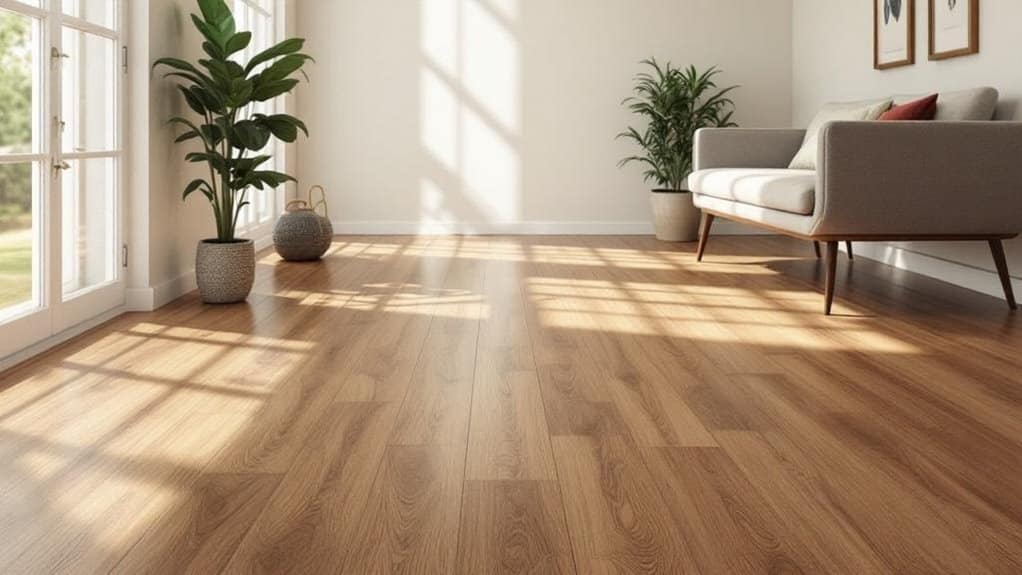
When it comes to flooring for Warner Robins rental properties, luxury vinyl plank (LVP) stands out as the clear frontrunner. You’ll appreciate its luxury durability, as it withstands heavy foot traffic, moisture, and everyday wear that tenants inevitably bring. LVP’s vinyl aesthetics mimic hardwood beautifully, giving your tenants an upscale living experience without the premium price tag. You can install it in kitchens, bathrooms, and living areas alike since it’s water-resistant and easy to clean. When a tenant moves out, minor scratches and scuffs won’t require full replacement — just swap individual planks. Minimal maintenance requirements mean tenants can keep the floors looking pristine with just regular sweeping and occasional mopping. For landlords committed to providing quality housing while protecting their investment, LVP consistently delivers the best balance of performance, appearance, and long-term value.
The 4 Traits Every Durable Rental Floor Needs in Warner Robins
Choosing the right floor for your Warner Robins rental comes down to 4 essential traits: durability, moisture resistance, easy maintenance, and cost-effectiveness. Understanding these durability factors helps you protect your investment while serving tenants well.
- Durability – Withstands heavy foot traffic and resists scratches from everyday tenant use.
- Moisture Resistance – Handles Georgia’s humidity and accidental spills without warping or swelling.
- Easy Maintenance – Simplifies your maintenance tips between tenants, requiring only basic cleaning routines.
- Cost-Effectiveness – Balances upfront installation costs against long-term replacement savings.
Prioritizing these traits guarantees your flooring performs reliably across multiple tenant cycles. When your rental floors are built to last, you’re reducing turnover costs and providing tenants with a comfortable, well-maintained living space. Luxury vinyl plank flooring is particularly well-suited for rental properties because its multiple-layer composition provides the durability and water-resistance needed for Georgia’s climate while remaining budget-friendly.
Rental Flooring Costs Per Square Foot in Warner Robins
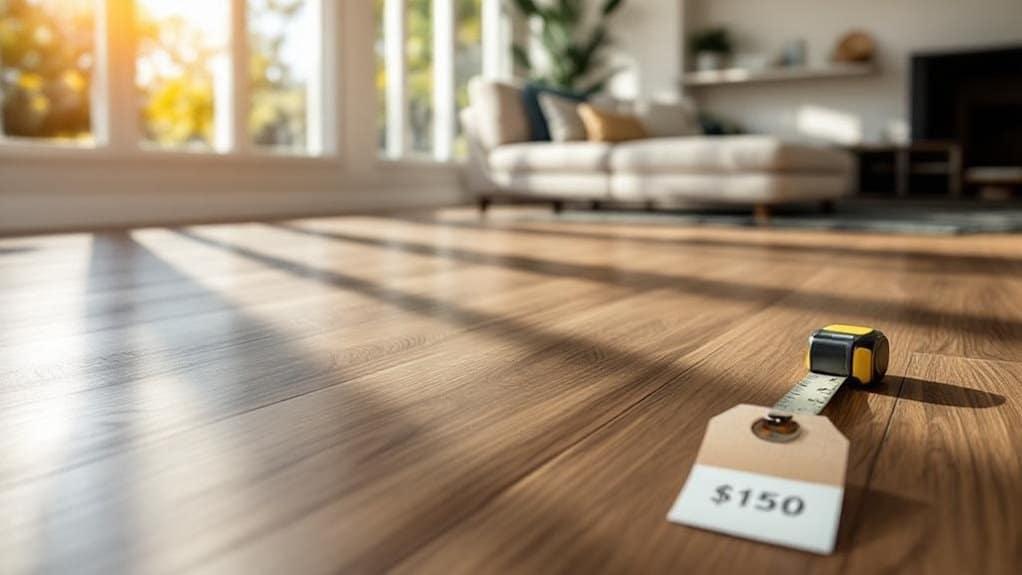
When choosing flooring for your Warner Robins rental, you’ll want to balance upfront installation costs against long-term durability. On average, installation costs range from $1–$3 per square foot for vinyl plank, $3–$7 for laminate, and $6–$12 for hardwood, with materials adding considerably to those figures. If you’re working with a tight budget, luxury vinyl plank (LVP) and laminate are your strongest options, offering durability and tenant appeal without overspending. LVP is particularly well-suited for rental properties because it provides greater water resistance than laminate, making it ideal for moisture-prone areas where tenants may cause accidental spills or damage.
Average Flooring Installation Costs
Understanding the cost of flooring installation is essential for budgeting your Warner Robins rental property. Several installation factors influence your final expenses, so use these cost comparisons to plan effectively:
- Labor costs typically run $2–$5 per square foot, depending on complexity and material type.
- Subfloor preparation adds $1–$3 per square foot if repairs or leveling are necessary.
- Material removal and disposal costs $0.50–$1.50 per square foot for existing flooring tearout.
- Room size and layout affect total pricing, as irregular spaces require additional cutting and time.
Combining these factors with your material costs gives you a realistic total budget. Always request multiple contractor quotes to guarantee you’re maximizing value for your tenants while protecting your investment. Professional installation typically results in a higher-quality finish compared to DIY approaches, which can save you money on future repairs and tenant complaints.
Budget-Friendly Flooring Options
Four budget-friendly flooring options stand out for Warner Robins rental properties, each balancing upfront costs with long-term durability. You’ll find that cost-effective materials like luxury vinyl plank ($2–$5/sq ft), laminate ($1–$3/sq ft), ceramic tile ($1–$4/sq ft), and standard carpet ($1–$3/sq ft) deliver reliable performance without straining your budget. Luxury vinyl tile is particularly suitable for rental properties because it is water-resistant and scratch-resistant, making it ideal for managing tenant wear and tear.
When applying installation tips, you’ll maximize savings by purchasing materials in bulk, reducing per-unit costs considerably. Choose floating-floor systems for vinyl and laminate, since they’re faster to install and require minimal subfloor preparation. Prioritize tiles in high-traffic areas like kitchens and bathrooms, where moisture resistance matters most.
These selections help you serve tenants well while protecting your investment, keeping vacancy-related replacement costs manageable throughout your property’s lifespan.
Which Rooms in Your Rental Need the Toughest Flooring?
Not all rooms in your rental property take the same beating, so it makes sense to prioritize your flooring choices based on foot traffic and function. Focus your toughest materials where tenants live hardest.
- Kitchen – Kitchen durability matters most here; choose waterproof luxury vinyl or tile to handle spills and heavy use.
- Bathrooms – Bathroom moisture destroys weak flooring fast; use porcelain tile or waterproof vinyl to prevent warping and mold.
- Entryways – Dirt, debris, and constant foot traffic demand scratch-resistant, easy-to-clean surfaces.
- Living Rooms – High-traffic areas need durable flooring that holds up through multiple tenant turnovers without showing excessive wear.
Matching the right flooring to each room protects your investment and keeps maintenance costs manageable for Warner Robins landlords. Waterproof flooring options like luxury vinyl plank and porcelain tile are particularly valuable in rental properties because they resist the moisture damage and daily wear that come with frequent tenant transitions.
Does Tile Hold Up in Georgia’s Heat and Humidity?
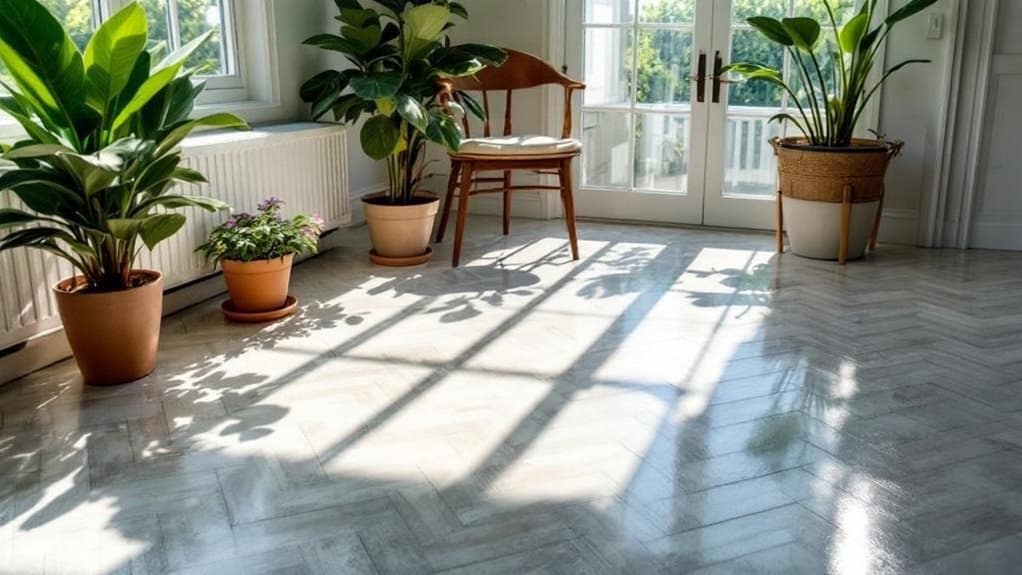
If you’re managing rental properties in Georgia, you’ll find that tile is one of the most climate-resilient flooring options available, handling the state’s intense heat and humidity far better than wood or laminate. Tile doesn’t absorb moisture, won’t warp, and stays dimensionally stable even when temperatures spike. The one vulnerability you’ll need to watch is grout, which can crack or harbor mildew over time if you don’t seal it properly and schedule routine maintenance. For rental properties in high-traffic areas like entryways and bathrooms, tile’s natural resistance to moisture and stains makes it an ideal long-term investment that minimizes costly repairs and turnover expenses.
Tile’s Climate Resilience
Georgia’s heat and humidity put flooring materials through a serious test, but tile passes with flying colors. When you’re choosing flooring for your Warner Robins rental, tile’s climate resilience makes it a top contender.
Here’s why tile handles Georgia’s conditions so well:
- It doesn’t expand or contract in fluctuating temperatures like wood does.
- Moisture resistance prevents warping, mold, and mildew growth.
- Proper tile installation with waterproof grout seals out humidity effectively.
- Routine tile maintenance keeps surfaces looking fresh through seasonal changes.
- A textured finish on tile surfaces helps prevent slipping in moisture-prone bathroom environments, which is especially important in humid Georgia climates.
You’re investing in flooring that won’t buckle under Georgia’s brutal summers or unpredictable weather patterns. Your tenants benefit from a durable, comfortable surface, and you’ll avoid costly repairs that other flooring materials often demand in this climate.
Humidity and Grout Durability
Tile holds up remarkably well in Georgia’s heat and humidity, but grout is where most landlords run into trouble. Tile itself offers excellent humidity resistance, making it a smart choice for Warner Robins rentals. Nevertheless, grout is porous and absorbs moisture, which leads to staining, cracking, and mold growth over time.
To protect your investment and your tenants, seal the grout before move-in and schedule regular grout maintenance between tenancies. Epoxy grout is worth considering since it’s far more moisture-resistant than traditional cement-based options, and porcelain tile’s imperviousness to water absorption pairs exceptionally well with epoxy for maximum protection against Georgia’s humidity. You’ll likewise want to choose wider tiles, which reduce the number of grout lines and minimize maintenance demands.
When you maintain grout properly, tile becomes one of the most durable, tenant-friendly flooring choices available in Central Georgia’s challenging climate.
Hardwood vs. Engineered Wood in Warner Robins Rentals
When choosing between hardwood and engineered wood for your Warner Robins rental, you’ll find that each option carries distinct trade-offs in cost, durability, and long-term value.
Consider these key factors:
- Hardwood maintenance demands regular refinishing and careful moisture monitoring, increasing long-term upkeep costs.
- Engineered wood advantages include superior humidity resistance, making it better suited for Georgia’s climate.
- Engineered wood installs faster and costs less upfront, reducing tenant turnover expenses.
- Solid hardwood offers refinishing longevity but risks warping under Warner Robins’ seasonal humidity swings.
Hardwood flooring improves indoor air quality compared to engineered alternatives, which can be an important selling point for health-conscious renters.
Engineered wood typically delivers stronger returns for rental investors prioritizing durability and lower maintenance demands. On the other hand, if your property targets premium renters, solid hardwood’s aesthetic appeal may justify the additional hardwood maintenance investment.
Is Carpet Still Worth Installing in Warner Robins Rentals?
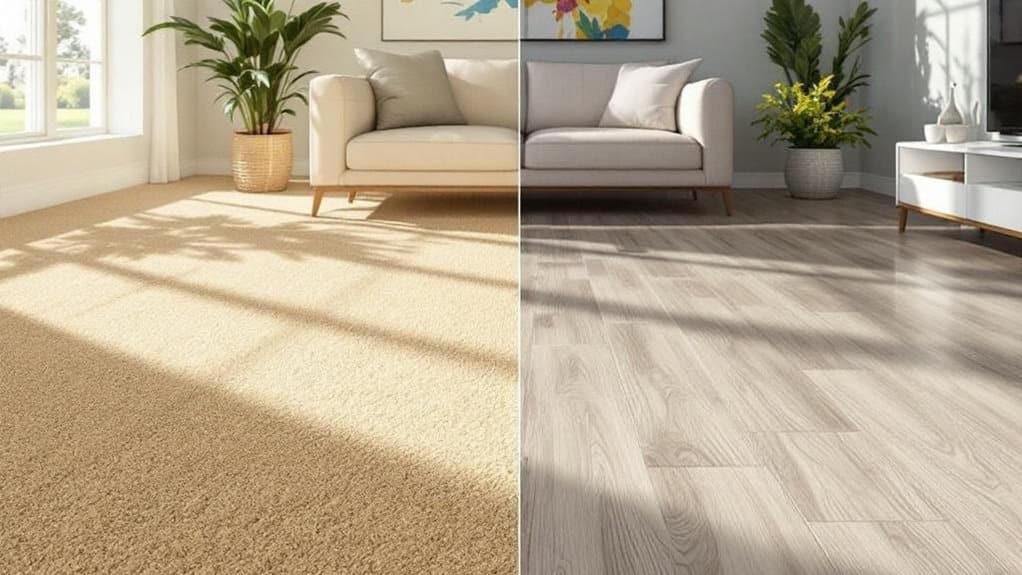
While engineered wood and hardwood dominate conversations about Warner Robins rental flooring, carpet still holds a place in the market—though its value depends heavily on where and how you use it.
Tenant preferences vary, but many renters with families or young children appreciate carpet in bedrooms for comfort and noise reduction. It’s not the best choice for high-traffic areas or humid spaces, where it deteriorates quickly.
Carpet maintenance demands more from both you and your tenants—regular vacuuming, professional cleaning between tenancies, and prompt stain treatment are non-negotiable. Replacement costs add up faster than with hard surfaces.
Consider using carpet selectively: bedrooms only, neutral colors, and mid-grade quality. That approach balances tenant comfort with manageable upkeep, helping you protect your investment without sacrificing tenant satisfaction.
What Flooring Upgrades Actually Raise Rent and Attract Better Tenants
Not every flooring upgrade translates into higher rent or better tenant retention—but the right ones do. Understanding tenant preferences and local market expectations helps you invest wisely.
Flooring upgrades that deliver real returns:
- Luxury vinyl plank (LVP) — meets aesthetic appeal and maintenance concerns while justifying higher rent through durability.
- Neutral-toned hard surfaces — align with current flooring trends and attract quality tenants who value clean, modern interiors.
- Consistent flooring throughout — strengthens visual flow, boosting perceived value and supporting your cost-benefit analysis.
- Upgraded entryway and kitchen floors — these high-traffic zones carry the most weight in first impressions and rental upgrades decisions.
When you match your investment to what renters actually want, you improve tenant retention and your bottom line simultaneously.
How to Choose Rental Flooring That Looks Great Without Overspending
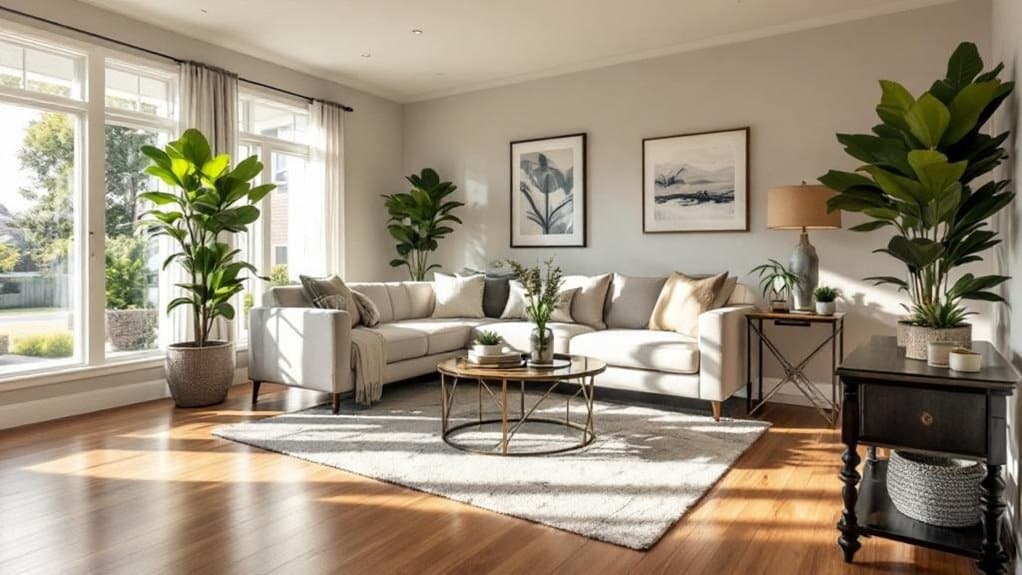
Knowing which upgrades move the needle is only half the battle—you additionally need to know how to get that look without blowing your budget. Start by prioritizing high-traffic areas like living rooms and hallways, where affordable aesthetics matter most to prospective tenants. Choose mid-grade luxury vinyl plank over premium options—you’ll get stylish durability without the premium price tag. Buy in bulk when possible, and stick to neutral tones that appeal broadly, reducing vacancy time between tenants. Avoid trendy patterns that date quickly and require costly replacements. In Warner Robins’ humid climate, moisture-resistant materials likewise prevent expensive repairs down the road. Work with local flooring suppliers who offer contractor pricing, and always factor installation costs into your total budget before committing to any product.
Flooring Mistakes Warner Robins Landlords Keep Making
Even Warner Robins landlords with the best intentions make costly flooring mistakes that cut into their profits. You might choose flooring based on how it looks in a showroom, only to watch it warp, scratch, or stain within months under real tenant use. You likewise can’t afford to overlook Warner Robins’ humid subtropical climate, which accelerates moisture damage in flooring materials that perform fine in drier regions.
Prioritizing Aesthetics Over Durability
When choosing flooring for your rental property, it’s tempting to prioritize style over substance—but that mindset will cost you. Chasing design trends and aesthetic appeal without considering durability leads to frequent replacements and higher costs.
Here’s what happens when appearance drives your decisions:
- Delicate materials scratch, stain, and wear quickly under tenant use
- Trendy styles become outdated, hurting market perception within years
- High-maintenance finishes frustrate tenants and increase your workload
- Poor durability overrides any initial aesthetic appeal, lowering tenant satisfaction
Smart landlords balance tenant preferences with practical performance. Choose flooring that looks attractive *and* withstands real-world conditions. Your tenants deserve quality, and your investment deserves protection. Durability and design aren’t mutually exclusive—you just need to prioritize wisely.
Ignoring Local Climate Impacts
Warner Robins landlords face a climate that’s unforgiving to the wrong flooring choices—hot, humid summers and mild but moisture-prone winters create conditions that accelerate warping, swelling, and mold growth beneath your floors. Ignoring the local climate when selecting materials directly threatens flooring longevity and increases your maintenance costs. Solid hardwood, for example, absorbs moisture readily and expands unpredictably in Georgia’s humidity. Instead, choose moisture-resistant options like luxury vinyl plank or porcelain tile, which handle temperature and humidity fluctuations without compromising structural integrity. Install moisture barriers beneath flooring in ground-level and basement units to prevent subfloor damage. When you match your flooring choice to Warner Robins’ specific climate demands, you protect your investment, reduce tenant complaints, and extend the lifespan of every floor in your rental.
Frequently Asked Questions
How Long Does Rental Flooring Installation Typically Take in Warner Robins?
You’ll typically complete your installation timeline in one to three days, depending on square footage. Staying current with flooring trends guarantees you’re choosing durable, quick-install options that’ll minimize vacancy time and better serve your Warner Robins tenants.
Can Tenants Be Charged for Flooring Damage Beyond Normal Wear?
Like a double-edged sword, tenant responsibility cuts both ways—you can charge tenants for damage beyond normal wear. Document flooring types thoroughly, and you’ll have solid grounds to deduct repair costs from security deposits.
What Flooring Options Work Best for Pet-Friendly Warner Robins Rentals?
For pet-friendly rentals, you’ll want luxury vinyl plank or tile—both are durable materials that resist scratches and moisture. Follow these maintenance tips: clean spills immediately and use entry mats to extend your flooring’s lifespan considerably.
Are There Local Warner Robins Flooring Contractors Who Specialize in Rentals?
Like finding a diamond in the rough, you’ll uncover Warner Robins contractors who specialize in rental upgrades and follow current flooring trends. They’ll guide you toward durable, cost-effective solutions that truly serve your tenants’ needs.
Does Warner Robins Have Any Codes Regulating Rental Property Flooring Standards?
Warner Robins doesn’t have specific flooring codes, but you’ll still need to meet Georgia’s rental property regulations and flooring safety standards. Guarantee your floors remain structurally sound, hazard-free, and habitable to protect your tenants effectively.
Conclusion
Think of your rental flooring like a car’s tires — the wrong choice leaves you stranded with costly replacements. Warner Robins landlords who install luxury vinyl plank report spending 40% less on flooring repairs annually. You’ve now got the roadmap to choose durable, cost-effective floors that attract quality tenants and protect your investment. Stop guessing and start installing flooring that actually works for your Warner Robins rental properties.
The post Best Flooring for Rental Properties in Warner Robins appeared first on Flooring Specialist.source https://myflooringspecialist.com/best-flooring-for-rental-properties-in-warner-robins/



No comments:
Post a Comment