You’re likely underestimating how your flooring choices influence your insurance costs. The material you select directly impacts claims frequency, premium rates, and liability exposure. Hardwood and tile perform differently than carpet and laminate when water damage strikes. Your insurer’s requirements vary by room, especially in moisture-prone areas. Understanding these distinctions reveals concrete opportunities to reduce your expenses.
Key Takeaways
- Durable flooring materials like tile, concrete, and hardwood lower insurance premiums due to reduced damage risk.
- Water damage claims vary by flooring type: hardwood averages $2,000–$10,000, while carpet can reach $3,000–$12,000.
- Slip-resistant flooring in bathrooms and basements prevents liability claims and meets insurer safety requirements.
- Water-resistant options like luxury vinyl plank minimize moisture-related damage and mold growth in vulnerable areas.
- Strategic flooring upgrades in kitchens and bathrooms qualify homeowners for 5–15% insurance premium reductions.
How Flooring Materials Affect Insurance Premiums
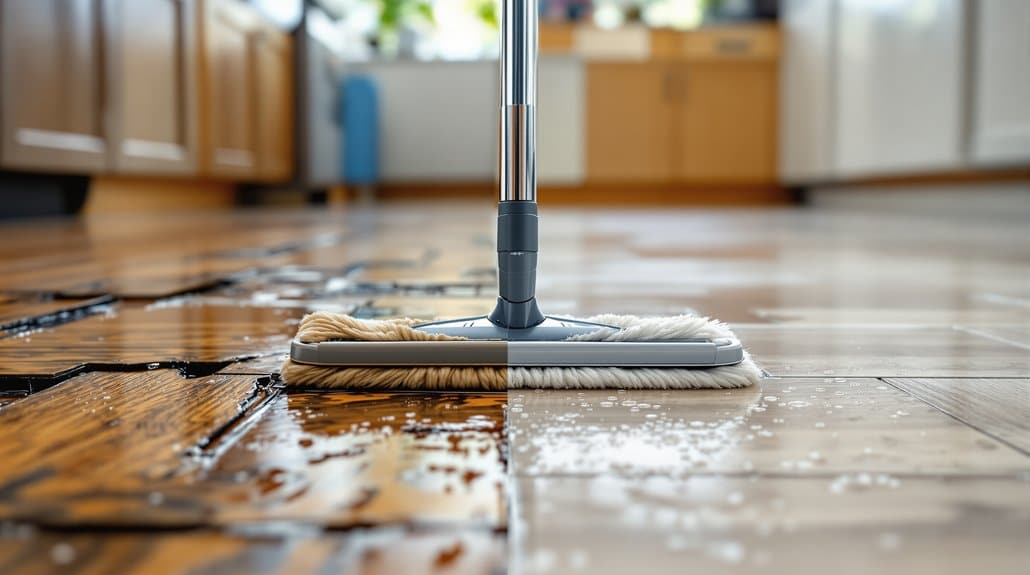
Since insurers assess risk through the lens of property durability and maintenance costs, your flooring choice directly influences what you’ll pay for homeowners insurance. Premium considerations vary considerably based on material selection. Durable options like tile, concrete, and hardwood typically command lower premiums as they resist water damage and wear better over time. Conversely, carpet and vinyl often result in higher premiums owing to moisture vulnerability and shorter flooring longevity. Insurers recognize that quality installations reduce claims frequency. Your flooring material signals maintenance commitment to underwriters. By selecting resilient materials, you’re demonstrating proactive risk management, which translates to measurable premium reductions. LVP flooring offers exceptional durability and water resistance that can positively influence your insurance risk profile while maintaining an affordable price point. When serving clients’ insurance needs, understanding these relationships helps you guide homeowners toward cost-effective choices that protect both their properties and their wallets.
Water Damage Claims: Which Floors Cost Most
When water infiltrates your home, your flooring material determines whether you’ll face a minor repair or a catastrophic claim. Your choice greatly impacts insurance costs and coverage.
Consider these high-risk flooring scenarios:
- Hardwood floors – Claims average $2,000-$10,000 because of warping and mold vulnerability.
- Laminate flooring – Moisture causes delamination, requiring complete replacement ($1,500-$8,000).
- Carpet – Absorbs water easily, promoting mold growth and necessitating full removal ($3,000-$12,000).
- Tile with porous grout – Water seeps beneath surfaces, damaging subfloors ($2,000-$15,000).
Water-resistant options like luxury vinyl plank and ceramic tile minimize claim expenses. Luxury vinyl plank features inherent water-resistance that prevents warping and damage in moisture-prone areas throughout your home. Review your flooring warranties carefully—many exclude water damage, leaving you responsible for costs. Selecting resilient materials protects both your home and your insurance premiums while serving your family’s long-term financial security.
Slip-and-Fall Liability by Flooring Type

Why do some flooring materials create greater slip-and-fall risks than others? Polished marble and tile present serious slip hazards, especially when wet, as their smooth surfaces lack friction. Laminate and vinyl can become slippery without proper maintenance. Conversely, carpet and textured tile offer better traction and reduce accident risk.
Your flooring maintenance directly influences liability exposure. Regular cleaning prevents moisture accumulation, while appropriate sealants improve grip on naturally slick surfaces. Installing anti-slip treatments or rugs in high-traffic areas demonstrates your commitment to safety. For households with pets, luxury vinyl plank flooring offers scratch-resistance and withstands heavy foot traffic while managing spills effectively.
Insurance companies recognize these distinctions. If you’re liable for a slip-and-fall injury, your insurer assesses whether you maintained your floors responsibly. Choosing slip-resistant materials and implementing consistent maintenance practices protects both your guests and your coverage.
What Your Insurer Requires in Bathrooms and Basements
Bathrooms and basements demand heightened safety standards since they’re where moisture accumulates most, creating ideal conditions for slip-and-fall incidents. Your insurer’ll require you to maintain specific flooring standards to protect occupants and reduce claims.
Your insurer typically mandates:
- Non-slip surfaces with appropriate coefficient of friction ratings
- Mold resistance properties in moisture-prone areas
- Professional installation standards meeting industry codes
- Regular maintenance documentation proving upkeep
You’ll find that porcelain tile, luxury vinyl plank with non-slip backing, and sealed concrete meet most insurers’ requirements. Installation standards matter considerably—improper laying creates hazards and voids coverage. Document all flooring work through licensed contractors. You’re responsible for ensuring your choices align with your policy’s specific demands, protecting both your family and your coverage eligibility. Waterproof flooring options like luxury vinyl plank and ceramic tile also reduce the risk of mold growth, a common concern that can lead to denied claims in humid climates.
The Cheapest Flooring Upgrades That Lower Your Rates

Since insurers reward risk reduction, you can strategically upgrade specific high-traffic areas to qualify for premium discounts without replacing your entire home’s flooring. Luxury vinyl in kitchens and bathrooms offers water resistance at modest installation costs, typically $3–8 per square foot. Bamboo benefits include durability and moisture resistance, qualifying for eco-friendly discounts while costing $5–10 installed. These eco-friendly options reduce claim likelihood from water damage and slips.
Prioritize entryways and bathrooms first—areas where insurers focus risk assessments. Document all upgrades with receipts and photographs, then contact your agent immediately. Many carriers offer 5–15% rate reductions for water-resistant flooring in vulnerable zones. You’ll recoup installation costs through premium savings within 3–5 years while protecting your home’s integrity.
Conclusion
You’re fundamentally building a fortress against insurance claims—each flooring choice acts as a wall’s material. Hardwood and tile stand like stone, deflecting water’s assault, while carpet absorbs damage like parched earth. Your insurer reads these selections as blueprints of responsibility. Strategic upgrades in vulnerable zones transform your home’s vulnerability profile, directly reducing premiums. You’re not merely replacing floors; you’re restructuring your financial risk environment through deliberate material choices.
The post How Flooring Choices Impact Home Insurance Claims appeared first on Flooring Specialist.source https://myflooringspecialist.com/how-flooring-choices-impact-home-insurance-claims/



No comments:
Post a Comment