You’ve likely heard horror stories from neighbors who chose cheap flooring—and coincidentally, they’re all facing reinstallation costs now. When you cut corners on installation, you’re not just saving money today. You’re actually guaranteeing expensive problems tomorrow. Rushed subfloor prep, improper material handling, and inadequate warranties create a cascade of structural issues. But there’s a critical factor most homeowners overlook that determines whether you’ll face five-figure repairs.
Key Takeaways
- Improper subfloor preparation and rushed workmanship cause premature wear, gaps, and structural failures requiring costly replacements within years.
- Moisture damage from faulty installations leads to mold growth and voided warranties, leaving homeowners liable for expensive repairs.
- Budget materials wear unevenly and deteriorate faster, typically requiring replacement within 5-10 years instead of decades.
- Cheap warranties contain hidden exclusions for installation defects, moisture damage, and wear issues, leaving gaps in coverage.
- Skipped installation steps like moisture barriers and climate acclimation invite warping, gaps, and premature failure, necessitating full replacements.
The True Cost of Cheap Flooring Installation
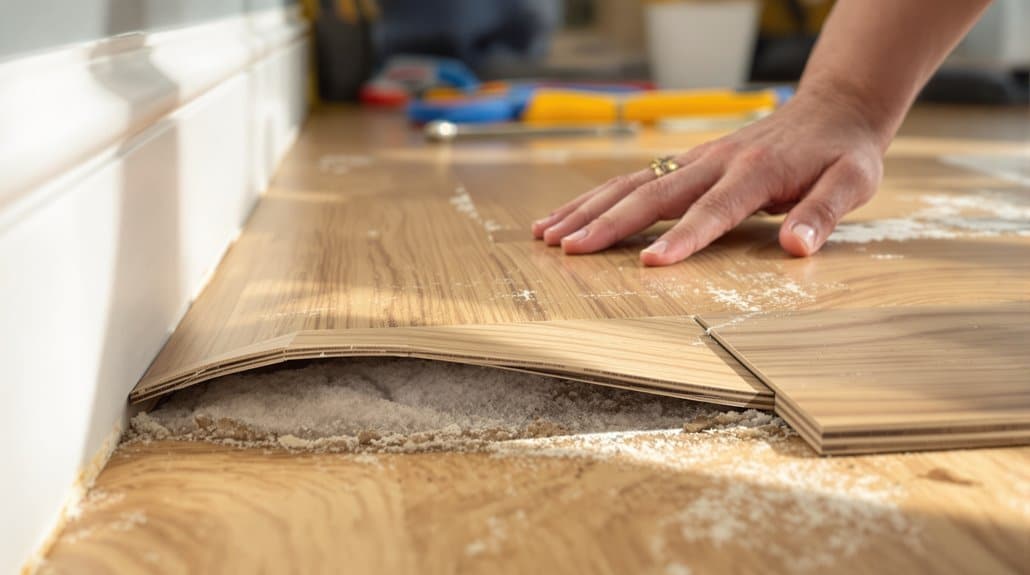
While you might save money upfront with budget flooring installation, you’ll likely face significant hidden costs down the road. A thorough cost analysis reveals that cheap installations often result in installation mistakes that compromise structural integrity. Improper subfloor preparation, inadequate underlayment, and rushed workmanship create premature wear, gaps, and buckling.
You’ll encounter accelerated deterioration requiring replacement within years rather than decades. Moisture damage from faulty installation causes mold growth, affecting indoor air quality and resident health. Voided warranties mean you’re liable for repairs when problems emerge.
Budget installers typically lack proper licensing and insurance, leaving you unprotected if accidents occur. When serving your clients or community, investing in quality installation demonstrates genuine care for their wellbeing and long-term satisfaction. The initial savings vanish quickly against mounting repair expenses and health risks. Professional installation typically results in a faster, higher-quality finish compared to DIY approaches that often characterize budget services.
Why Subfloor Prep Determines Everything
The foundation of any flooring installation rests entirely on subfloor preparation—it’s where quality installations separate from failures. You’ll realize that cutting corners here creates expensive problems downstream.
Proper subfloor prep involves:
- Evaluating subfloor types and structural integrity
- Implementing moisture management protocols
- Applying leveling compounds per installation standards
- Addressing existing damage before laying new material
When you skip these preparation techniques, you’re gambling with flooring longevity. Moisture trapped beneath surfaces causes warping, buckling, and mold—expensive damage prevention failures. Your clients deserve installations built on solid structural support.
The cost analysis is clear: investing in thorough subfloor preparation now prevents costly replacements later. You’re not just installing flooring; you’re protecting your reputation and your client’s investment through meticulous foundational work. For hardwood installations specifically, maintaining humidity levels between 45% and 65% after installation prevents wood shrinkage and expansion that can compromise even the best subfloor preparation.
Budget Materials Fail 5–10 Years Earlier
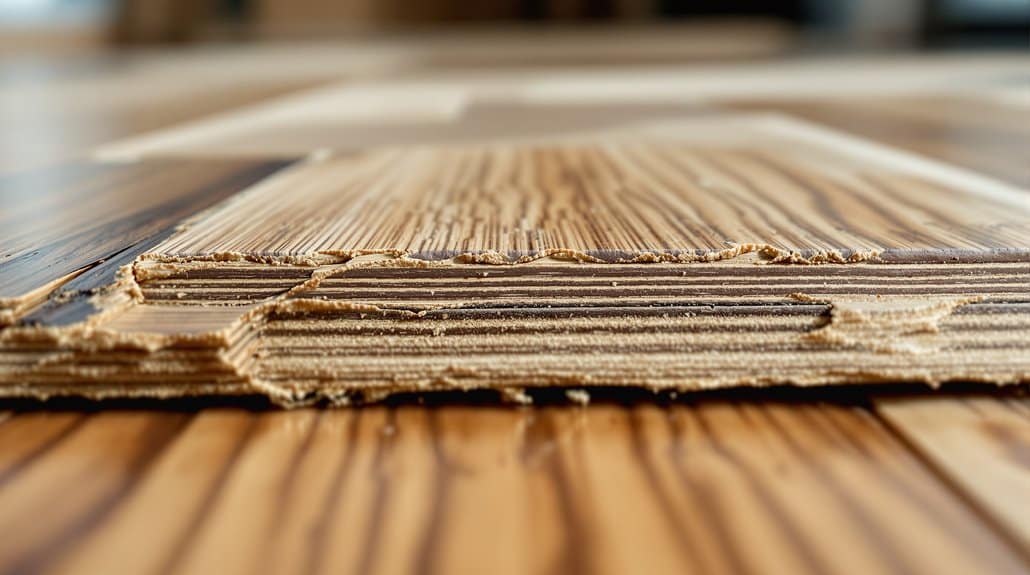
Budget materials might seem like smart economics until you’re fielding warranty claims and replacement requests five to ten years down the road. You’ll realize that cheap vinyl, laminate, and tile wear unevenly, develop gaps, and deteriorate faster than quality alternatives.
Material durability directly impacts your reputation and client satisfaction. When budget longevity fails prematurely, you’re responsible for reinstallation costs and damaged relationships. Contractors who cut corners on materials face compounding expenses: additional labor, customer complaints, and potential legal disputes.
Premium materials withstand traffic, moisture, and temperature fluctuations better. They maintain structural integrity longer and protect your installation investment. Quality LVP flooring, for instance, offers exceptional durability that resists scratches, dents, and stains even in high-traffic areas with pets and heavy furniture. You’re not just installing flooring; you’re building trust with clients who deserve solutions lasting fifteen to twenty years or more.
Choose materials that align with realistic expectations.
Shortcuts That Crack Floors and Cause Settling
When you skip proper substrate preparation, you’re inviting cracks and structural failure that’ll plague your floors for years. Inadequate underlayment installation—whether you’re rushing the layering process or using insufficient material thickness—removes the cushioning that prevents movement and settling. Professional installers ensure your subfloor is structurally sound, rigid, level, smooth, and dry before any tile is laid, preventing the exact problems that budget installations create. These shortcuts compound each other, turning what should’ve been a stable foundation into a setup for costly repairs and liability issues.
Poor Substrate Preparation Methods
Since proper substrate preparation requires time and expense, many budget installers skip critical steps that’d otherwise prevent costly damage. You’re risking serious problems when cutting corners on foundation evaluation and subfloor assessment.
Critical preparation techniques you shouldn’t neglect:
- Moisture management – Test for excess moisture before installation; it causes adhesion failure and material warping
- Leveling importance – Uneven surfaces create stress points that crack flooring and cause settling
- Surface treatment – Remove debris and contaminants that compromise adhesion quality
- Inspection standards – Document material compatibility and installation tools’ suitability for your specific flooring type
You’re ultimately serving your clients poorly by skipping these foundation evaluation steps. Proper substrate preparation prevents callbacks, warranty claims, and reputation damage that far exceed initial labor savings.
Inadequate Underlayment Installation Techniques
Even after you’ve prepared your substrate correctly, improper underlayment installation will undo all that work. You’re risking costly damage by skipping critical installation techniques. Different underlayment types require specific methods—rushing this step compromises moisture barriers that protect against water damage and mold. Inadequate installation techniques weaken soundproofing benefits and structural integrity. Though quality underlayment costs more upfront, cost comparisons show savings long-term. Without proper installation tools and expert recommendations, you’ll face settling, cracking, and premature floor failure. The long-term effects include expensive repairs, potential health hazards, and customer dissatisfaction. Your clients deserve installations meeting industry standards. Invest in correct underlayment practices now—it’s the professional choice that protects both their investment and your reputation.
Warranty Gaps Leave You Unprotected
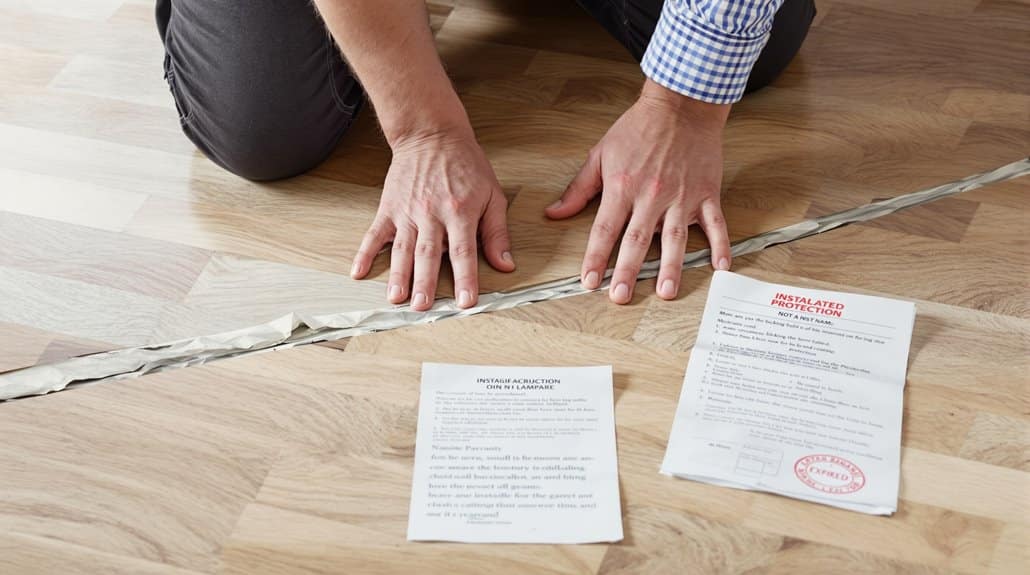
When you choose cheap flooring installation, you’ll find that warranty coverage often contains hidden defect exclusions that leave you responsible for installation-related failures the manufacturer won’t cover. Labor guarantees typically limit their protection to materials only, meaning you’re paying out-of-pocket if the installer’s workmanship causes problems after the initial service period ends. Manufacturer protection periods frequently restrict coverage to 1-5 years, which is far shorter than the lifespan of your flooring, leaving you vulnerable to settling, cracking, and other defects that emerge beyond their stated timeframe.
Hidden Defect Coverage Exclusions
Many cheap flooring warranties contain significant exclusions that’ll leave you exposed to costly repairs. Understanding these coverage exclusions protects your investment and prevents financial surprises.
Common hidden defects aren’t covered by budget warranties:
- Installation defects – Poor workmanship causing gaps, buckling, or uneven surfaces typically isn’t covered
- Environmental damage – Moisture issues, humidity fluctuations, and water exposure often fall outside protection
- Wear-related problems – Normal degradation, fading, and surface scratching remain your responsibility
- Subfloor issues – Structural problems beneath the flooring remain unaddressed by most warranties
When you choose cheaper installations, manufacturers routinely exclude coverage for defects resulting from improper installation practices. You’ll shoulder repair costs that quality installations would’ve prevented. Review warranty documentation thoroughly before committing to budget flooring options, ensuring you understand exactly what’s protected.
Labor Guarantee Limitations Explained
Budget flooring installations typically come with labor guarantees that don’t cover the defects you’ll actually encounter. These warranties often exclude problems arising from substandard workmanship, leaving you vulnerable to costly repairs.
When you’re helping clients navigate flooring choices, emphasize that cheap labor guarantees frequently contain restrictive clauses. They won’t protect against installation standards violations like improper substrate preparation, inadequate underlayment, or misaligned seams. Most budget contractors limit their labor quality guarantees to twelve months, while premium installations offer extended coverage.
You’ll uncover that warranty exclusions typically bypass issues caused by “normal wear,” environmental factors, or alleged user error. This gap means you’re responsible for problems that clearly stem from installation negligence. Always request detailed warranty documentation before signing contracts, ensuring your clients understand exactly what protection—or lack thereof—they’re receiving.
Manufacturer Protection Period Restrictions
Manufacturer warranties on budget flooring don’t extend nearly as far as you’d expect. When you’re serving clients on tight budgets, you’ll uncover significant gaps in coverage that leave them vulnerable.
Budget flooring typically carries these manufacturer limitations:
- Coverage expires within 1-5 years versus 15-25 years for premium options
- Installation guidelines exclude coverage if contractors deviate from specifications
- Wear-through guarantees only apply to factory defects, not normal use
- Moisture and subfloor damage claims require extensive documentation
You’ll need to educate clients that cheap flooring installations often void remaining protection. Improper installation guidelines from budget manufacturers can nullify claims entirely. You’re protecting their investment by explaining these restrictions upfront, ensuring they understand that initial savings frequently result in unprotected flooring and costly replacements.
Poor Moisture Control Leads to Mold and Rot
When moisture isn’t properly managed beneath your flooring, you’re creating an ideal environment for mold proliferation and wood rot. Inadequate moisture barriers allow water vapor to penetrate subfloors, compromising structural integrity and triggering long-term effects that extend far beyond visible damage.
Professional installation techniques incorporate proper air circulation and vapor barriers crucial for mold prevention. You’ll need to assess environmental factors like humidity levels and evaluate water damage risks specific to your climate. Chemical treatments can offer temporary relief, but they’re costly remedies for preventable problems.
Cheap installations typically skip these vital steps, leaving your flooring vulnerable. Proper flooring maintenance becomes increasingly difficult when rot risks escalate. The expense of replacement—along with potential health hazards—far exceeds the initial savings from budget installations.
Structural Hazards From Rushed Labor
Rushed labor creates structural vulnerabilities that’ll compromise your flooring’s integrity and safety. When installers hurry through projects, they skip critical steps that protect both property and occupants. You’re exposing yourself to significant risks when corners get cut.
Consider these hazards from rushed installations:
- Subfloor preparation neglect – Inadequate leveling causes uneven settling and premature wear
- Fastening failures – Improper nailing or adhesive application leads to loose planks and trip hazards
- Rushed inspections – Missing defects during installation allows problems to develop undetected
- Safety violations – Non-compliance with building codes creates liability and costly corrections
These oversights demand expensive remediation later. Proper installation takes time—investing in quality labor prevents structural damage, maintains warranties, and guarantees your flooring serves its intended lifespan safely.
How Reinstallation Within 5 Years Multiplies Costs
The structural problems created by hasty installation don’t just disappear—they’ll force you into expensive reinstallation cycles that compound your initial savings into considerable losses. When you cut corners initially, installation mistakes emerge within years, requiring complete removal and replacement. You’re fundamentally paying twice for the same project, eliminating any budget advantage you gained upfront.
Consider this reality: a second installation costs nearly as much as the first, yet you’ve already invested in the failed attempt. Material waste, labor expenses, and project disruption multiply your expenses dramatically. Your clients suffer inconvenience and financial strain.
Prioritizing quality installation from the start protects long-term savings. You avoid costly callbacks, maintain client trust, and build a reputation for dependable work. The upfront investment in proper installation delivers true economic benefit.
The Hidden Impact on Resale Value
Due to cheap flooring installations compromising structural integrity, they’ll greatly diminish your property’s market value when it’s time to sell. Prospective buyers recognize poor craftsmanship immediately, affecting resale perception negatively.
Current market trends show buyers prioritize quality foundations. Your investment suffers when:
- Inspections reveal substandard installation materials and workmanship
- Buyers demand significant price reductions or walk away entirely
- Properties sit longer on market, accumulating holding costs
- Appraisals reflect depreciation from visible flooring defects
You’re serving your future self poorly by cutting corners now. Quality installations protect your equity and appeal to discerning buyers who understand long-term value. The upfront savings vanish when you face substantially lower offers, extended listing periods, or costly repairs before closing. Strategic investment in proper flooring installation preserves your asset’s worth.
What Quality Installation Actually Protects
When you invest in quality installation, you’re protecting your subfloor and structural foundation from moisture damage, settling, and premature wear that cheap workmanship invites. You’ll retain meaningful warranty coverage—many manufacturers won’t honor guarantees if installation falls below their standards—leaving you liable for costly repairs down the road. Proper installation techniques guarantee your flooring lasts its intended lifespan rather than failing prematurely, ultimately saving you thousands in replacement and remediation expenses.
Structural Integrity Protection
While you might assume flooring simply sits atop your subfloor, improper installation can compromise the structural foundation supporting your entire home. Quality installation protects your long term investment by ensuring:
- Proper moisture barriers prevent water infiltration that weakens subfloor stability
- Correct fastening distributes weight evenly across support systems
- Appropriate spacing accommodates natural material expansion and contraction
- Level surfaces eliminate stress concentrations that crack foundations
When you cut corners on installation, you’re exposing your home’s structural integrity to accelerated deterioration. Subfloor rot, foundation settling, and costly repairs follow. Professional installation safeguards against these preventable failures, preserving both your flooring and the structural framework beneath it. This protection justifies the upfront investment.
Warranty Coverage Matters
Beyond protecting your home’s foundation, quality installation safeguards your flooring through extensive warranty coverage that cheap installations simply can’t provide. When you hire professionals, you’re securing thorough warranty terms that protect against defects, material failures, and installation errors for years.
Budget contractors often skip proper documentation or offer minimal coverage limitations that leave you vulnerable. You’ll uncover these gaps only after problems emerge—warping, gaps, or premature wear. Quality installers stand behind their work with transferable warranties that improve your home’s resale value.
Understanding what your warranty actually covers matters greatly. You’re investing in peace of mind and financial protection. When issues arise, legitimate warranty coverage handles repairs without draining your resources, making professional installation the fiscally responsible choice for serving your family’s long-term interests.
Longevity Through Proper Technique
Three critical installation techniques separate floors that last decades from those that fail within years: proper subfloor preparation, correct moisture management, and precise material acclimation.
You’ll protect your long-term savings by demanding expert recommendations on these key factors:
- Subfloor inspection—identifying and repairing damage prevents future buckling and separation
- Moisture barriers—blocking water intrusion extends flooring lifespan considerably
- Climate acclimation—allowing materials to adjust prevents gaps and warping
- Fastening precision—proper spacing and depth eliminate squeaking and movement
Quality installation techniques directly impact aesthetic appeal and repair costs. When you skip these steps, you’re inviting premature failure. Expert recommendations aren’t luxuries—they’re investments. Superior material selection means nothing without proper installation. Your maintenance practices matter too, but they can’t compensate for shortcuts taken during installation. You’ll serve your clients best by prioritizing correct technique from day one.
Conclusion
You’ll want to weigh your wallet wisely—cheap choices create costly consequences. When you cut corners on installation, you’re committing to compounding expenses: structural strain, substrate deterioration, and premature replacement cycles. You’ll face five-figure fixes within years. You’re forfeiting floor longevity, property protection, and peace of mind. You’re pushing potential resale penalties. You can’t compromise on quality craftsmanship; proper preparation prevents persistent problems and preserves your investment’s integrity.
The post Why Cheap Flooring Installations Often Cost More Later appeared first on Flooring Specialist.source https://myflooringspecialist.com/why-cheap-flooring-installations-cost-more-later/




No comments:
Post a Comment