In Warner Robins, LVP dominates since it’s engineered for exactly what Georgia throws at your home—humidity swings, red clay tracked across every threshold, and summer heat that warps lesser floors. You get hardwood-level aesthetics at 40–60% lower total cost, a 100% waterproof core, and scratch resistance that holds up under real family life. Whether you’re renovating one room or your entire home, there’s a lot more worth knowing before you decide.
Key Takeaways
- LVP resists Georgia’s humidity and heat cycles better than hardwood, maintaining dimensional stability without warping, swelling, or moisture damage.
- Total project costs run 40–60% lower than hardwood, with materials priced at just $2–$7 per square foot.
- 100% waterproof cores make LVP ideal for kitchens, bathrooms, and every high-traffic room in the home.
- Embossed-in-register textures and wide-plank oak visuals authentically replicate hardwood and stone without sacrificing durability or performance.
- Wear layers up to 20+ mil provide scratch, scuff, and stain resistance suited for pets, kids, and busy households.
Why Warner Robins Homes Are Built for LVP
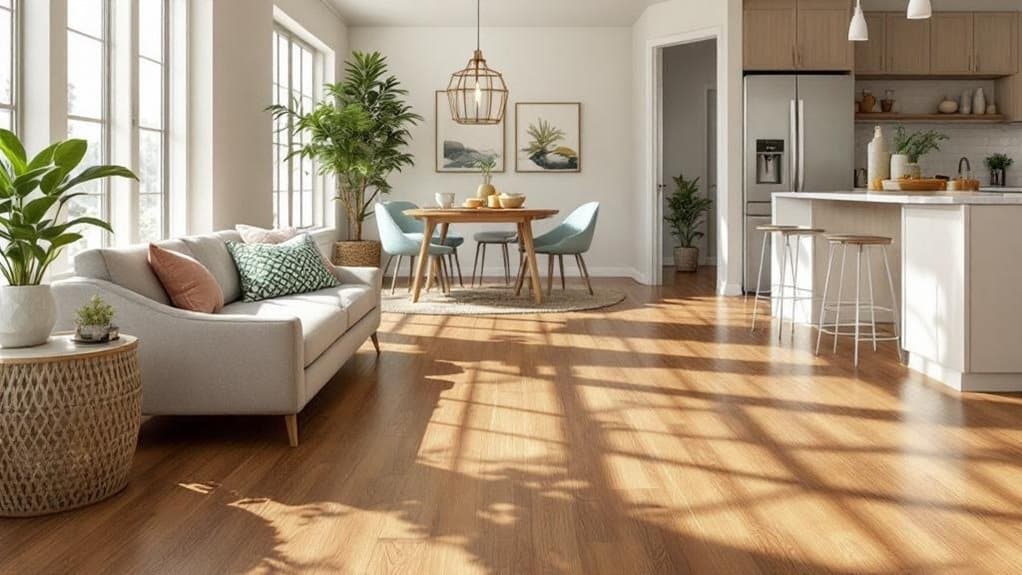
Warner Robins homes present a near-perfect environment for LVP installation, and that’s no accident. Georgia’s humidity, heat cycles, and slab-on-grade construction align directly with LVP’s core durability concerns—dimensional stability, moisture resistance, and load tolerance. You’ll find that local preferences consistently favor low-maintenance flooring that handles red clay tracked indoors without sacrificing aesthetic appeal. LVP delivers on both. When you weigh cost comparisons against hardwood or tile, LVP wins decisively across material, labor, and long-term maintenance needs. Environmental factors like temperature fluctuation demand flooring that expands and contracts predictably—LVP does exactly that. Beyond performance, LVP’s stunning design options ensure your Warner Robins home achieves the aesthetic you want while maintaining the durability Georgia’s climate demands. Follow proven installation tips: acclimate planks 48 hours before laying, maintain proper expansion gaps, and use appropriate underlayment for concrete subfloors. These steps maximize every LVP benefit this region demands.
How LVP Stands Up to Georgia’s Heat and Humidity
LVP’s rigid core doesn’t absorb ambient moisture, so your floors won’t buckle when humidity spikes between seasons. Its multi-layer composition handles temperature fluctuations without expanding or contracting enough to compromise structural integrity.
For homeowners serving families who need durable, beautiful spaces—kitchens, mudrooms, bathrooms—this matters practically. You’re not constantly monitoring moisture levels or worrying about seasonal damage. LVP performs consistently whether July’s heat index hits 105°F or winter brings unexpected cold snaps.
Unlike traditional hardwood that can warp in Georgia’s humid climate, LVP’s scratchproof and scuff-resistant design maintains its beauty while withstanding the demands of busy households.
You’re choosing flooring that protects your investment while maintaining the clean, polished aesthetic your home deserves year-round.
What Warner Robins Homeowners Actually Pay for LVP vs. Hardwood in 2026
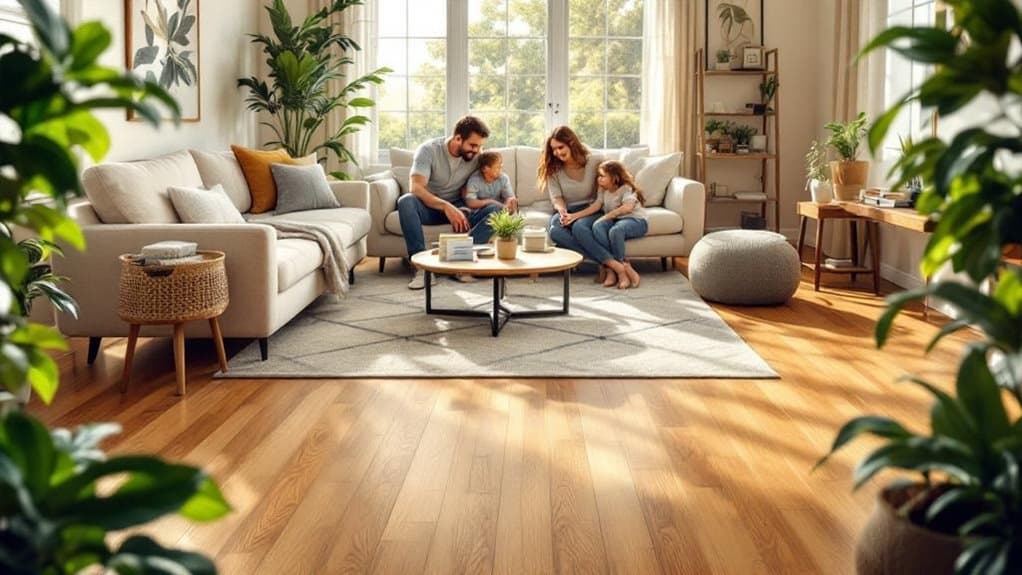
Performance holds its value only when the price makes sense. In 2026, Warner Robins homeowners face a clear cost comparison when choosing between LVP and hardwood. Installation expenses alone tell a compelling story.
- LVP materials run $2–$7 per square foot; hardwood averages $8–$15
- LVP installation expenses average $1.50–$3 per square foot; hardwood demands $4–$8
- Hardwood requires acclimation, sanding, and finishing—adding labor days and costs
- LVP needs no subfloor leveling premium in most Warner Robins slab homes
- Total LVP project costs typically land 40–60% lower than comparable hardwood installations
Unlike hardwood, which often requires professional installation help due to the complexity of nailing or gluing down planks, LVP’s click-lock system is DIY-friendly and can significantly reduce labor expenses. When you’re investing in a home that serves your family and your guests, budget efficiency isn’t compromise—it’s stewardship.
Which Rooms in Your Home Get the Most Out of LVP
Not every room in your home demands the same performance profile—but LVP delivers meaningfully across nearly all of them.
Kitchen durability and bathroom moisture resistance make LVP the clear functional winner in high-stress zones. Bedrooms benefit from its warmth underfoot, while living areas gain aesthetic continuity. LVP’s water resistance advantages over laminate make it particularly suited for spaces where spills and humidity are everyday concerns.
| Room | Primary Benefit | LVP Advantage |
|---|---|---|
| Kitchen | Kitchen durability | Scratch and spill resistance |
| Bathroom | Bathroom moisture | 100% waterproof core |
| Living Room | High traffic wear | Durable wear layer |
| Bedroom | Comfort and warmth | Soft underfoot feel |
You’re not just choosing a floor—you’re choosing how each space performs for the people inside it. LVP lets you install one product confidently throughout your entire home without sacrificing function or design.
Why Busy Warner Robins Households Keep Coming Back to LVP
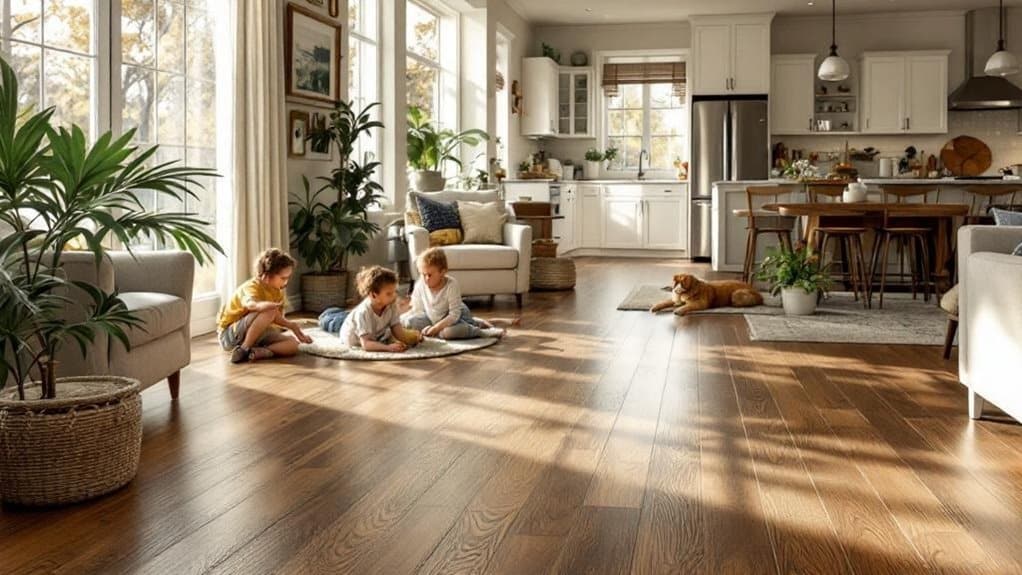
When you’ve got kids, pets, and a packed schedule, LVP holds up without demanding much in return. You can wipe away spills, tracked-in mud, and everyday grime with a damp mop or cloth — no specialty cleaners, no prolonged drying times. That low-maintenance reality is exactly why Warner Robins families consistently choose LVP over flooring options that punish a busy household. The wear layer protection in LVP flooring ensures your investment maintains its appearance through years of family activity without requiring constant refinishing like traditional hardwood alternatives.
Handles Daily Family Chaos
Few flooring materials can keep pace with the relentless demands of a busy Warner Robins household — but LVP does, and it does so without sacrificing appearance. Whether you’re managing family activities, pets, or high foot traffic, LVP absorbs daily chaos effortlessly.
Its design supports daily maintenance without demanding your time or energy:
- Resists scratches from toys, furniture, and pet claws
- Repels spills, mud, and tracked-in Georgia clay instantly
- Withstands repeated sweeping, mopping, and spot cleaning
- Maintains its finish under heavy furniture and foot traffic
- Stays dimensionally stable through seasonal humidity shifts
When paired with pet-specific vacuums and a regular cleaning routine, LVP flooring maintains its appearance and hygiene for years to come. You’re investing in a floor that serves your household’s pace while preserving the aesthetic integrity of your space — a practical, lasting solution built for real family life.
Easy Cleanup Wins
Cleanup on LVP is straightforward — no specialty products, no drying time, no lingering worry about moisture damage. Its easy maintenance features mean you spend less time managing messes and more time caring for the people who matter most. Quick spill response requires nothing more than a dry cloth or damp mop. Unlike laminate flooring, which requires careful cleaning to avoid moisture damage, LVP’s waterproof construction allows you to clean with confidence in humid environments.
| Mess Type | Cleanup Method |
|---|---|
| Food/drink spills | Wipe immediately with cloth |
| Muddy footprints | Damp mop, air-dry fast |
| Pet accidents | Mild cleaner, no residue |
These easy maintenance features eliminate the anxiety of accidental damage. Whether you’re hosting family gatherings or managing daily routines, LVP responds reliably — preserving both your floor’s appearance and your household’s rhythm without demanding excessive effort from you.
The Style Options That Make LVP Flooring Hard to Walk Away From
One of the strongest arguments for LVP is the sheer range of visual styles it offers—and it’s a range that’s expanded dramatically as manufacturing technology has improved. Today’s style trends deliver design versatility that genuinely rivals hardwood, stone, and tile. You’re not settling—you’re choosing intentionally.
Current color variations and texture options include:
- Wide-plank oak visuals with authentic grain depth
- Cool gray tones that complement modern, minimalist interiors
- Warm honey and amber finishes for traditional, welcoming spaces
- Embossed-in-register textures that mirror real wood’s surface irregularities
- Stone-look patterns ideal for bathrooms and kitchens
When you’re serving a household with diverse needs, LVP’s aesthetic range means you don’t compromise function to achieve beauty—you get both. Unlike luxury vinyl tile, which focuses on square tile patterns, LVP’s plank format creates continuous visual lines that enhance the sophistication of any room layout.
Wear Layer, Core Type, and What Actually Matters When Buying LVP
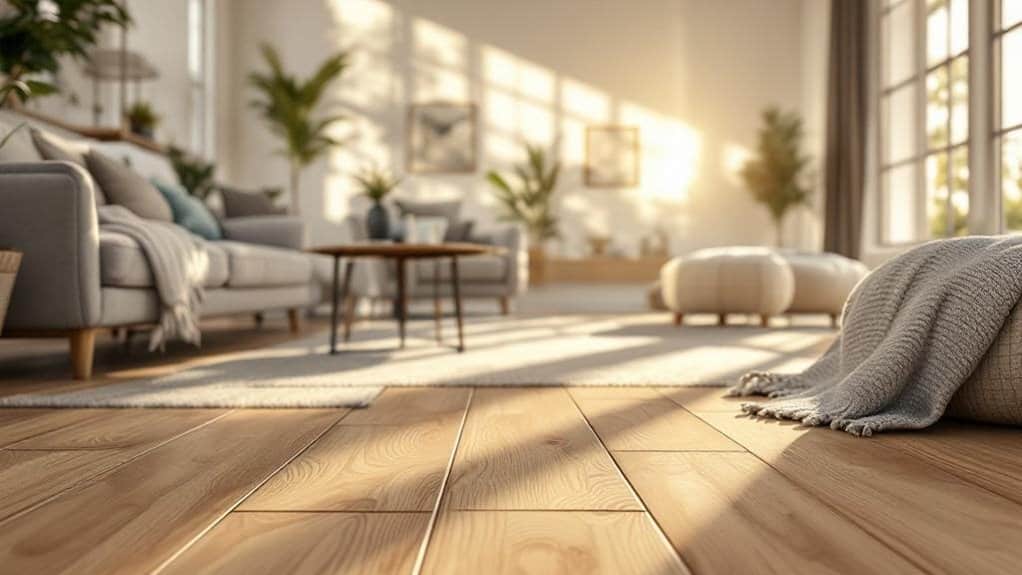
Style gets you to the showroom floor—but construction specs determine whether that floor lasts five years or twenty-five. Understanding wear layer importance and core type differences helps you choose floors that actually serve your household long-term. LVT’s water-resistant properties make it particularly valuable in Warner Robins’ humid climate, protecting your investment from moisture-related damage year-round.
| Spec | What It Means for Your Home |
|---|---|
| 6 mil wear layer | Light traffic, rentals |
| 12 mil wear layer | Family homes, pets |
| 20+ mil wear layer | Heavy use, commercial |
| WPC core | Softer feel, water-resistant |
| SPC core | Denser, superior stability |
Warner Robins humidity demands SPC cores—they won’t expand or buckle seasonally. Pair that with a 12-mil minimum wear layer, and you’re installing a floor built to outlast trends and serve everyone walking through your door.
How to Find an LVP Installer in Warner Robins You Can Actually Trust
Finding the right LVP installer in Warner Robins isn’t just about comparing quotes—it’s about vetting credentials, installation method knowledge, and local experience before anyone pulls up your existing floor. Rely on installer reviews and local recommendations to narrow your list, then dig deeper.
- Confirm they understand floating vs. glue-down installation for your subfloor type
- Check installer reviews on Google, Houzz, and Nextdoor for pattern-based feedback
- Request local recommendations from neighbors who’ve had LVP installed recently
- Ask specifically about subfloor moisture testing and acclimation protocols
- Verify they carry liability insurance and offer a written installation warranty
For Macon and Warner Robins homeowners, working with a BBB Accredited business ensures you’re partnering with an installer who has demonstrated accountability and professional standards. The right installer protects your flooring investment, your family’s comfort, and your home’s long-term value—so choose someone whose technical standards match your aesthetic vision.
Frequently Asked Questions
Can LVP Be Installed Over Existing Flooring Without Removal?
Yes, you can install LVP over existing flooring using floating installation methods, but you’ll need to confirm flooring compatibility first—ensuring the subfloor’s level, stable, and won’t compromise your new floor’s long-term performance.
How Long Does a Typical LVP Installation Take to Complete?
Picture fresh planks locking into place — your installation timeline typically runs one to three days. With solid project preparation, you’ll transform a room efficiently, delivering beautiful, durable LVP floors your family or clients will genuinely love.
Does LVP Installation Affect My Home’s Resale Value Significantly?
Yes, LVP installation can considerably boost your home’s resale value. It’s aligned with current market trends and buyer preferences, offering durability and aesthetic appeal that attracts selective buyers, ultimately helping you serve future homeowners beautifully.
Is LVP Safe for Households With Young Children and Pets?
Yes, LVP’s durability and non-toxic composition make it ideal for child safety and pet friendliness. You’ll appreciate its scratch-resistant surface, easy-to-clean design, and waterproof layers—keeping your family’s living spaces hygienic, beautiful, and worry-free.
Can LVP Be Repaired if Only One Section Gets Damaged?
Like swapping a puzzle piece, you can replace a single damaged plank without disturbing the rest. Using proven LVP repair methods and smart LVP maintenance tips, you’ll restore your floor’s flawless appearance quickly and affordably.
Conclusion
When it comes to flooring in Warner Robins, LVP isn’t just a trend—it’s the smart, lasting investment your home deserves. It’s built to handle Georgia’s brutal humidity, your family’s daily chaos, and your need for something that actually looks stunning. You’ve got the performance specs, the cost breakdown, and the style options. Now it’s time to stop sitting on the fence and put LVP to work in your home.
The post Why LVP Is Still the #1 Choice for Warner Robins Homeowners in 2026 appeared first on Flooring Specialist.source https://myflooringspecialist.com/why-lvp-is-still-the-number-one-choice-for-warner-robins-homeowners/



No comments:
Post a Comment