If you live in Georgia, your mudroom floor needs to handle red clay’s sticky, staining, iron-rich mess without falling apart. Your best options are porcelain tile, luxury vinyl plank, or sealed concrete — all non-porous, easy to clean, and tough enough for daily clay tracking. Skip hardwood, carpet, and laminate entirely; they’ll stain and warp fast. Color matters too, so stick with warm earth tones. Keep scrolling to find out exactly which option fits your home best.
Key Takeaways
- Georgia red clay is sticky, iron-rich, and stains porous surfaces permanently, making non-porous, sealed flooring essential for mudrooms.
- Porcelain tile is a top choice, offering stain resistance, moisture tolerance, and textured finishes for slip prevention.
- Luxury vinyl plank provides a waterproof, scratch-resistant, easy-clean surface that handles clay-soaked boots without damage.
- Avoid hardwood, carpet, and laminate entirely, as moisture and clay will cause staining, warping, and rapid deterioration.
- Choose warm earth tones like terracotta or medium brown to naturally camouflage inevitable red clay residue.
Why Georgia Red Clay Is Different From Regular Mud
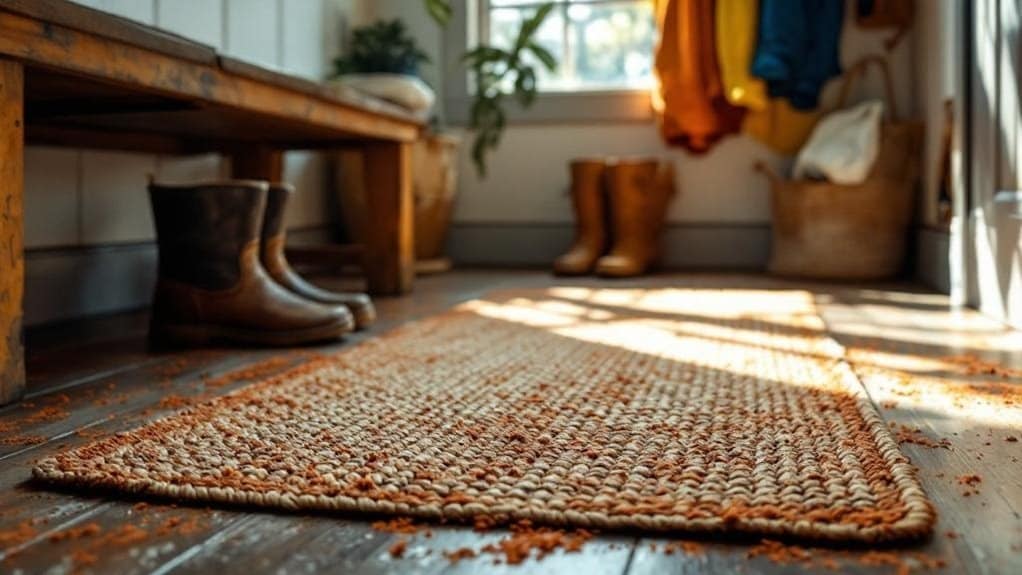
Georgia red clay isn’t just dirty — it’s a chemically distinct soil that behaves unlike the mud you’d track in from most other parts of the country. Its clay properties include high iron oxide content, which gives it that signature rust color and makes it incredibly sticky and dense when wet. Unlike sandy or loamy soils that brush off when dry, Georgia red clay bonds to surfaces — shoes, pets, flooring, grout lines — and stains almost anything porous. These clay properties create serious mudroom challenges that standard flooring materials simply can’t handle. You’re not dealing with light foot traffic mess; you’re managing a substance that embeds itself into surfaces and resists casual cleaning. For Georgia homeowners with pets, hard surface flooring like tile or luxury vinyl becomes essential since these materials resist the staining and bonding that red clay causes on porous surfaces. Knowing this shapes every smart flooring decision you’ll make.
What Makes a Mudroom Floor Actually Hold Up to Red Clay?
Once you understand what red clay actually does to surfaces, the question becomes straightforward: what flooring can take it? Four durability factors separate winners from losers:
- Stain resistance — Red clay’s iron oxide binds fast, so non-porous surfaces are non-negotiable.
- Texture grip — Smooth floors get slippery when clay tracks in wet; slight texture keeps your family safe.
- Joint tightness — Clay infiltrates gaps and grout lines, making sealed or groutless options smarter.
- Cleanability — Follow these cleaning tips: mop with warm water before clay dries, avoid acidic cleaners on stone, and sweep daily.
Materials like porcelain tile and luxury vinyl plank excel in mudroom environments because they combine stain resistance, scratch resistance, and easy maintenance into a single solution. Choosing flooring that meets all four standards protects your home and makes caring for others easier when Georgia mud follows everyone inside.
Porcelain Tile: The Gold Standard for Georgia Mudrooms
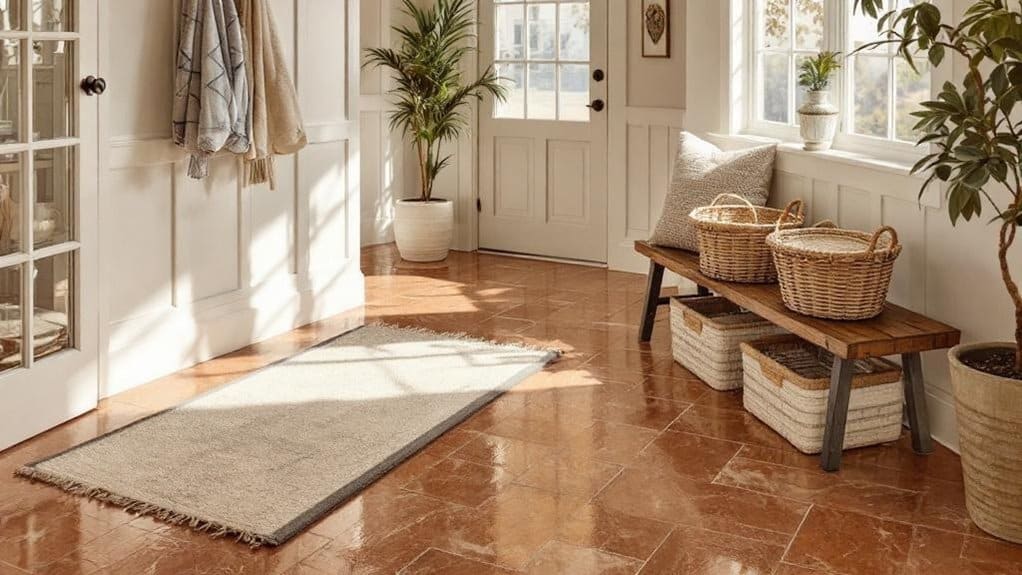
Porcelain tile earns its reputation in Georgia mudrooms since it checks every durability box red clay demands. Its dense composition resists staining, moisture, and heavy foot traffic—everything your family tracks in daily. The antimicrobial properties of porcelain surfaces create a healthier environment for busy households dealing with outdoor contaminants.
| Feature | Porcelain Durability | Tile Maintenance |
|---|---|---|
| Stain Resistance | Extremely high | Weekly mopping |
| Moisture Tolerance | Non-porous surface | Dry promptly |
| Red Clay Cleanup | Doesn’t absorb pigment | Simple damp wipe |
You’ll appreciate how sealed grout lines prevent that orange clay from embedding permanently. Choose a textured finish for slip resistance when wet boots enter from the yard. Matte or stone-look porcelain hides dirt between cleanings, reducing your maintenance burden considerably. For households serving active kids, athletes, or working adults, porcelain delivers consistent, long-term performance without demanding much back.
Luxury Vinyl Plank: Tough, Waterproof, and Easy on the Budget
If you’re tracking Georgia’s red clay through your mudroom daily, luxury vinyl plank handles the abuse without flinching—its waterproof core means moisture, mud, and grime wipe clean without warping or staining. You’ll additionally find LVP sits at a fraction of porcelain tile’s cost, typically running $2–$5 per square foot for materials, making it one of the most budget-friendly durable options available. When you factor in its straightforward floating installation, you can cut labor costs considerably compared to other hard-surface flooring choices. Beyond affordability, LVP’s low maintenance requirements mean you’ll spend minimal time keeping your mudroom looking pristine despite the daily Georgia clay invasion.
Why LVP Handles Clay
Luxury vinyl plank has become a go-to mudroom flooring choice across Georgia, and it’s easy to see why. Its LVP benefits make it especially practical when red clay is part of your daily reality.
Here’s why clay resistance comes naturally to LVP:
- Waterproof core — Clay-soaked boots won’t seep moisture into the material.
- Textured surface — Grips trap dirt without permanently staining the floor.
- Easy cleanup — A damp mop removes dried clay without special products.
- Durable wear layer — Resists scratching from grit and debris tracked inside.
When you’re caring for a busy household, you need flooring that works as hard as your family does. LVP simply delivers that without draining your budget. The multiple protective layers in luxury vinyl plank make it exceptionally suited to handle the constant exposure to moisture and abrasive materials that come with mudroom traffic in Georgia’s humid climate.
Budget-Friendly Flooring Options
When Georgia homeowners need mudroom flooring that won’t cost a fortune, luxury vinyl plank consistently rises to the top of the list. These affordable materials handle red clay, moisture, and heavy foot traffic without draining your budget.
| LVP Feature | Benefit |
|---|---|
| Waterproof core | Repels clay-soaked boots |
| Scratch resistance | Survives pet claws |
| DIY installation | Reduces labor costs |
| Easy cleaning | Mop without worry |
| Durable wear layer | Lasts 15–25 years |
You can tackle DIY installation over a weekend using click-lock planks, saving hundreds on professional labor. Georgia families serving busy households appreciate how quickly LVP goes down and how little maintenance it demands afterward. Installation costs typically range from $2 to $7 per square foot when you hire professionals, but DIY options eliminate these labor expenses entirely. Your mudroom stays functional, clean, and welcoming without stretching your finances thin.
Concrete Flooring: A Workhorse Mudroom Option Worth Considering
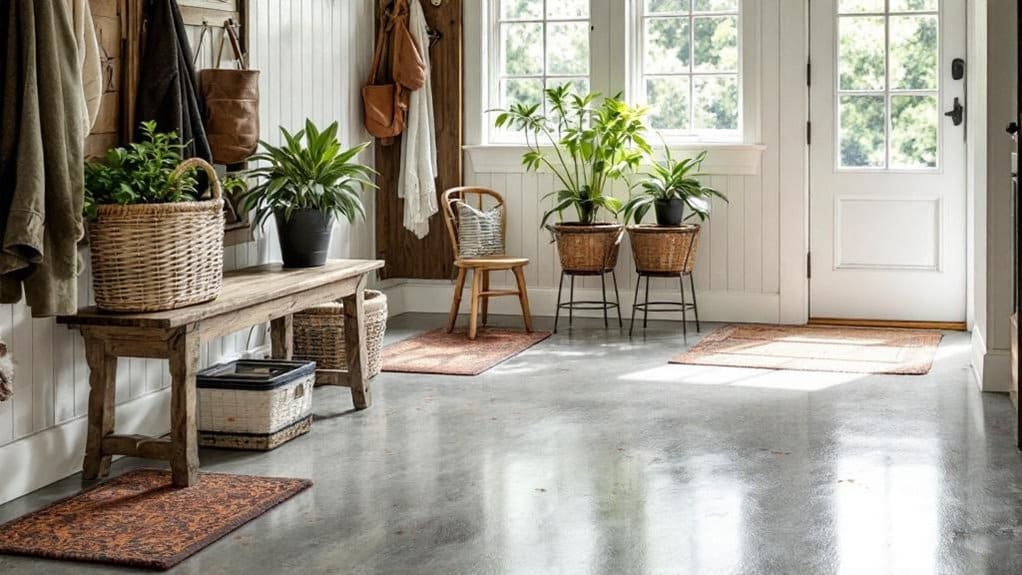
Concrete flooring might not be the most glamorous choice for your Georgia mudroom, but it’s one of the most hardworking. In spite of common durability concerns, sealed concrete handles red clay tracking, wet boots, and heavy foot traffic without complaint. You’ve got more aesthetic options than you’d expect:
- Stained concrete adds warm earthy tones that complement Georgia’s natural palette
- Stamped patterns mimic tile or stone at a lower cost
- Epoxy coatings create a sealed, easy-clean surface
- Polished concrete reflects light and resists moisture penetration
Concrete rewards families who prioritize function over fuss. It’s forgiving, budget-conscious, and practically maintenance-free once properly sealed. If you’re caring for a busy household, concrete lets you focus on people instead of your floors. For homeowners seeking alternatives that combine durability with aesthetic appeal, tile and stone flooring offers natural resistance to moisture and stains, making it another excellent option for high-traffic mudroom areas in Georgia.
Slate and Natural Stone: Is the Upkeep Worth It?
If you’re leaning toward slate or natural stone for your Georgia mudroom, you’ll need to seal it regularly to protect against the moisture and red clay that constantly tracks in from outside. Slate holds up well against that clay, but you’re still looking at resealing every one to two years to keep it from staining and cracking under Georgia’s humid conditions. Before committing, weigh the ongoing maintenance costs against the long-term durability, as natural stone can get expensive to upkeep compared to more forgiving options like concrete or porcelain tile. To further protect your natural stone floors, place doormats at every entrance to trap dirt and moisture before they can damage your investment.
Sealing Natural Stone Regularly
Sealing natural stone regularly isn’t optional in Georgia—it’s a necessity. Red clay, humidity, and heavy foot traffic break down unsealed stone fast. Follow these sealing techniques to protect your investment:
- Clean thoroughly before applying any sealer—dirt and clay residue prevent proper adhesion.
- Choose a penetrating sealer designed for your specific stone type, whether slate, travertine, or flagstone.
- Reseal every 12–18 months, especially in high-traffic mudrooms exposed to Georgia’s wet seasons.
- Test absorption annually by dropping water on the surface—if it soaks in, it’s time to reseal.
The long term benefits include stain resistance, easier cleanup, and a surface that actually holds up against daily Georgia mud. Consistent sealing keeps your mudroom functional for everyone who walks through. For comprehensive stone maintenance beyond sealing, consider consulting a flooring specialist who can recommend manufacturer-approved products and professional sealing services tailored to your specific stone type.
Slate’s Durability Against Clay
Slate holds up remarkably well against Georgia’s red clay, but you’ll want to understand what you’re signing up for before committing to it. Its dense, layered surface resists clay penetration better than most natural stones, making clay resistance one of its strongest slate benefits. For mudroom applications, slate pairs exceptionally well with open concept living designs that maintain visual flow throughout your home while containing moisture and debris in transition spaces.
| Slate Strength | What It Means for You |
|---|---|
| Dense surface | Clay wipes off cleanly |
| Natural texture | Reduces slipping on wet floors |
| Color variation | Hides residual staining well |
| Hard composition | Withstands heavy foot traffic |
You’ll still need to seal it every one to two years, especially in high-traffic mudrooms. Georgia’s humidity accelerates wear if you skip maintenance. Treated properly, slate serves your household well for decades without buckling under constant clay exposure.
Maintenance Costs Over Time
Though slate and natural stone hold up well against Georgia’s red clay, their long-term maintenance costs can catch homeowners off guard. Before committing to these long term investments, understand what’s involved:
- Sealing — You’ll need to reseal stone every 1–3 years to prevent clay staining and moisture penetration.
- Professional cleaning — Effective cleaning strategies often require pH-neutral cleaners or professional deep-cleaning services annually.
- Grout upkeep — Grout lines trap red clay particles, demanding regular scrubbing and periodic regrouting.
- Crack repairs — Natural stone can chip or crack under heavy foot traffic, requiring professional patching.
These costs add up quickly. If you’re serving a busy household, factor in both time and budget before choosing stone for your Georgia mudroom floor.
How Much Does Mudroom Flooring Cost in Georgia?
How much you’ll spend on mudroom flooring in Georgia depends on the material you choose, the size of the space, and local labor rates. Here’s a quick cost breakdown to help you plan:
- Porcelain tile: $3–$10 per square foot plus $5–$12 for installation
- Luxury vinyl plank: $2–$7 per square foot plus $3–$8 for installation
- Sealed concrete: $2–$6 per square foot for finishing
For a 50-square-foot mudroom, budget between $300–$1,000 depending on material and complexity. Follow these installation tips: hire licensed Georgia contractors familiar with humidity-related subfloor issues, and always account for grout sealing costs upfront. Skipping that step means red clay wins every time.
Which Mudroom Flooring Colors Hide Red Clay Best?
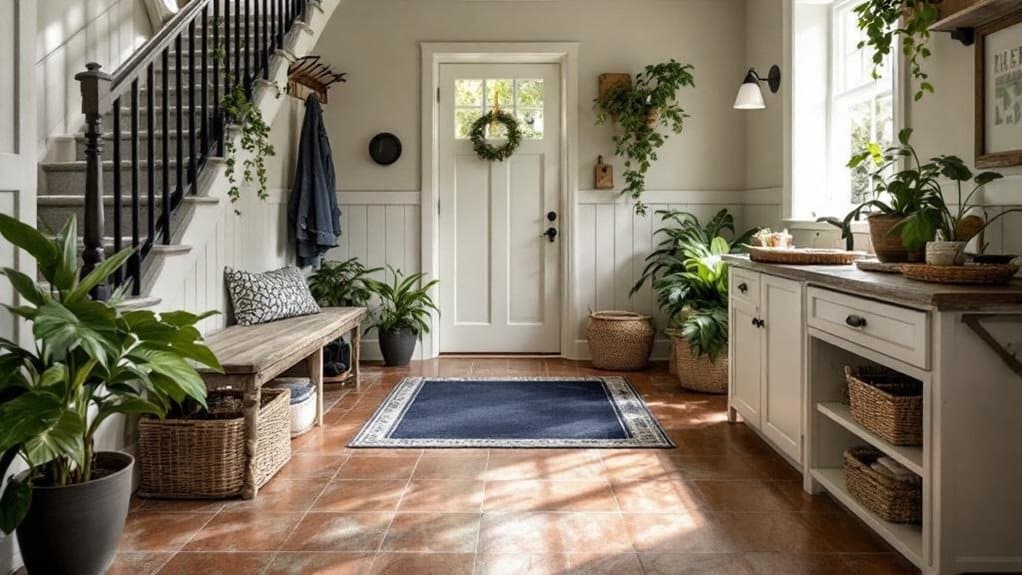
If you’re dealing with Georgia’s notorious red clay tracking into your mudroom, your floor color choice makes a real difference in how clean your space looks between sweepings. Warm earth tones — think terracotta, russet brown, sandy beige, and deep amber — naturally blend with clay residue instead of putting it on full display. You’ll find these hues work especially well in porcelain tile, luxury vinyl, and stained concrete, giving you a practical advantage without sacrificing style.
Colors That Camouflage Clay
When Georgia red clay tracks into your mudroom, the right floor color can make the difference between a space that looks perpetually dirty and one that stays presentable between cleanings.
These color combinations and camouflage patterns work best against red clay:
- Warm terracotta and rust tones — blend naturally with clay’s reddish hue
- Medium brown and tan shades — neutralize clay without darkening noticeably between cleanings
- Textured gray blends — camouflage patterns within the tile or plank break up visible residue
- Earthy greige tones — balance warm and cool undertones, hiding tracked-in dirt effectively
Avoid stark white, pale gray, or cool blues — they’ll show every footprint. Choosing the right base color means less scrubbing and a floor that keeps serving your household well.
Warm Tones Win
Georgia red clay is relentless, and your mudroom floor color is your first line of defense against it. Choosing warm color palettes and earthy tones means tracked-in clay simply disappears instead of screaming for attention.
| Floor Color | Clay Camouflage Rating |
|---|---|
| Terracotta Brown | Excellent |
| Rusty Beige | Excellent |
| Warm Tan | Very Good |
| Golden Oak | Very Good |
These tones mirror the clay itself, so daily messes don’t stress your household or embarrass you when guests arrive. If you’re selecting flooring for a busy family, prioritize these shades in tile, luxury vinyl, or stained concrete. You’ll spend less time cleaning and more time serving the people who matter most.
Textured vs. Smooth Mudroom Floors: Which Actually Resists Red Clay?
Whether you choose a textured or smooth floor for your mudroom matters far more than you’d think—especially when Georgia’s notorious red clay is tracking through the door on a daily basis. Both surfaces offer distinct benefits:
- Textured benefits: Grip-enhanced surfaces trap clay particles before they spread deeper into your home.
- Smooth advantages: Sealed smooth tile wipes clean faster, preventing clay from settling into grooves.
- Textured benefits: Slip resistance protects kids, elderly family members, and guests during rainy Georgia seasons.
- Smooth advantages: Grout-free smooth surfaces eliminate clay staining in hard-to-reach crevices.
Your household’s traffic volume and cleaning routine should drive this decision. Families serving multiple people daily often prefer smooth sealed porcelain, while high-activity homes benefit from textured grip and superior traction.
How to Seal Mudroom Floors So Georgia Red Clay Doesn’t Stain
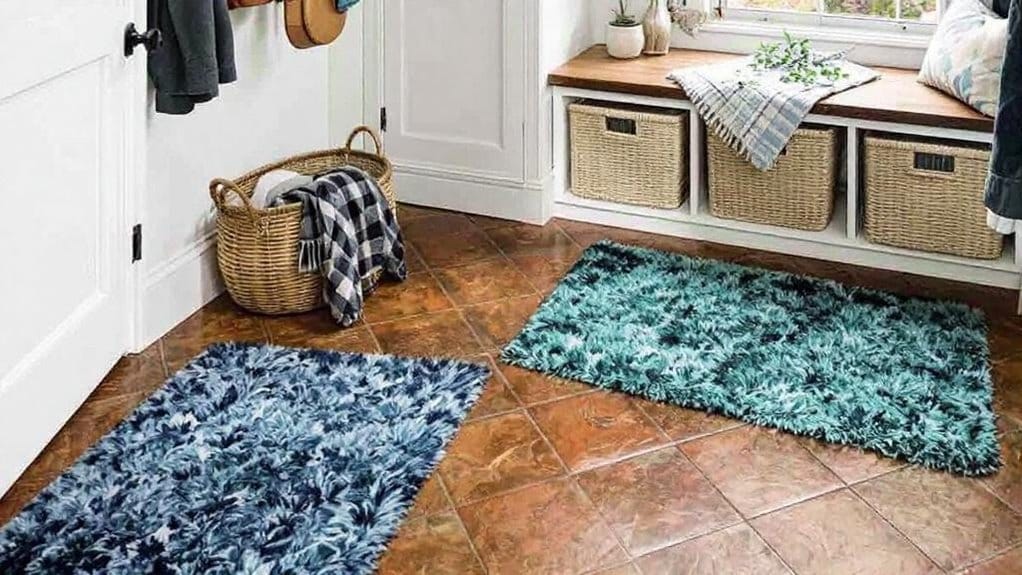
Sealing your mudroom floor correctly makes the difference between a surface that shrugs off Georgia red clay and one that permanently absorbs it. Choose sealing techniques and protective coatings matched to your specific material.
| Floor Material | Recommended Sealer | Reapplication Frequency |
|---|---|---|
| Concrete | Penetrating epoxy sealer | Every 2–3 years |
| Porcelain tile | Grout sealer only | Annually |
| Natural stone | Impregnating stone sealer | Every 1–2 years |
| Vinyl plank | Manufacturer-approved coating | Every 3–5 years |
Apply sealers when floors are completely dry and clean. Georgia’s humidity affects curing time, so check manufacturer guidelines for your climate. For families and caregivers tracking in red clay daily, resealing on schedule keeps your mudroom functional and protects everyone’s floors long-term.
The Worst Flooring Choices for a Georgia Mudroom
Knowing what protects your mudroom floor well naturally leads to understanding what fails it. Some materials simply can’t handle Georgia’s red clay, no matter how disciplined your cleaning routines are or how thoughtful your mudroom accessories placement is.
Avoid these four flooring choices:
- Hardwood — Clay moisture warps and stains it permanently.
- Carpet — Red clay embeds deep into fibers, making cleaning routines nearly impossible.
- Laminate — Water infiltration causes swelling and separation quickly.
- Unsealed Natural Stone — Its porous surface absorbs red clay pigment stubbornly.
You’re setting up a space where your family passes in and out daily. Choosing any of these materials means you’ll spend more time fighting your floor than actually serving the people who use it.
Frequently Asked Questions
Can I Install Mudroom Flooring Myself or Should I Hire Someone?
You can tackle it yourself with DIY Tips if you’re handy, but Georgia’s red clay demands durable materials. For complex installs like tile or stone, consider Hiring Professionals to guarantee a long-lasting, properly sealed mudroom floor.
How Often Should I Mop a Mudroom Floor in Georgia?
Ever picture that rusty red trail tracking through your home? You’ll want to mop frequently — at least twice weekly. Use Georgia-clay-fighting cleaning solutions like pH-neutral cleaners to protect your flooring material and keep your family’s space spotless.
Does Red Clay Damage Grout Lines Differently Than Regular Dirt?
Yes, red clay attacks grout durability more aggressively than regular dirt. Its iron-rich particles penetrate grout’s porous surface, staining deeply and weakening the bond over time. You’ll want to seal your grout lines frequently to protect them.
Are Heated Floors a Practical Option for Georgia Mudrooms?
You’ll find heated flooring benefits are modest in Georgia’s mild winters, but installation challenges make costs hard to justify. Focus your budget on durable, clay-resistant materials that’ll better serve your family’s everyday mudroom needs.
What Underlayment Works Best Beneath Mudroom Flooring in Humid Climates?
Don’t cut corners — use moisture barriers under all flooring materials. In Georgia’s humidity, you’ll want a 6-mil poly vapor barrier or cork underlayment to block ground moisture, protecting your floors and everyone who tracks through daily.
Conclusion
You’ve got Georgia red clay working against you every single day, but the right mudroom floor makes it manageable. Think of choosing your flooring like picking rain boots — function has to come before fashion. Porcelain tile, luxury vinyl plank, and sealed concrete all hold up to the punishment. Pick a darker, textured option, seal it properly, and you’ll stop fighting your floors and start winning the battle against that stubborn orange dirt.
The post What to Put on Your Mudroom Floor When You Live in Georgia (Red Clay Is No Joke) appeared first on Flooring Specialist.source https://myflooringspecialist.com/what-to-put-on-your-mudroom-floor-when-you-live-in-georgia/


No comments:
Post a Comment